
KTM's Hooligan Motorcycles Might Have Found Their Perfect Playground In Latin America
America loves big bikes. Latin America knows you don't need 100 horsepower to cause trouble.
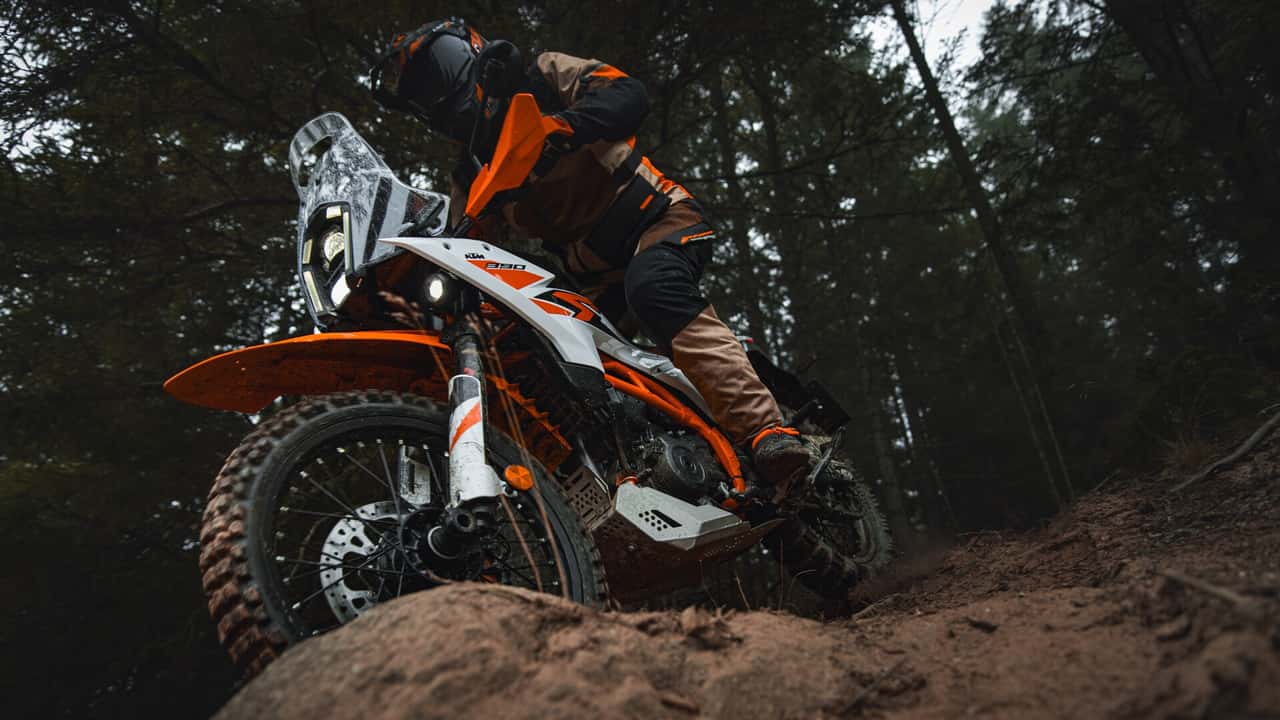

Motorcycling looks very different depending on which part of the world you're in. In America, we're obsessed with big adventure bikes, heavyweight cruisers, and machines packing enough horsepower to embarrass a sports car. Head south into Latin America, though, and things get considerably smaller, cheaper, and arguably more entertaining.
Lightweight commuters, scooters, and small-displacement naked bikes rule the streets. And somewhere in that chaos, KTM might have found its perfect audience.
The Austrian manufacturer has just opened a new motorcycle assembly facility in Manaus, Brazil, with an annual production capacity of 20,000 bikes. It's a pretty significant move for a company that's spent the past couple of years dealing with financial turmoil. But beyond KTM's ongoing recovery, there's a much more interesting story here. Latin America's motorcycle culture happens to be an excellent match for the kind of machines KTM has spent decades perfecting.

More From All Over The World
The factory will assemble ten KTM and Husqvarna models, including the KTM 390 Adventure R and X, alongside competition-focused machines like the 250 SX-F, 450 SX-F, and several EXC enduro models. Husqvarna's FE 350 and TE 300 Pro are also part of the lineup. It's a decidedly dirt-oriented portfolio, and one that makes plenty of sense in a region where motorcycles serve as everything from daily transportation to weekend entertainment.
Latin America isn't one giant motorcycle market, of course. Riding habits vary considerably between Brazil, Colombia, Mexico, and Argentina. But affordable, small-displacement motorcycles play an enormous role across the region. They're transportation first, but that doesn't mean people aren't having fun with them. Brazil, in particular, has a thriving stunt-riding scene where riders regularly demonstrate that horsepower is optional when questionable decisions are involved.
And that's where KTM fits pretty well. The Duke family, particularly the 200, 250, and 390, offers exactly the sort of lightweight, aggressive, wheelie-friendly personality that appeals to younger enthusiasts. They're sporty enough to get your heart racing, practical enough for everyday riding, and considerably more approachable than KTM's bigger machines. Basically, KTM has been building factory hooligan bikes for years, and Latin America already has the culture to appreciate them.
Of course, KTM isn't going to suddenly dominate a region where Japanese manufacturers and increasingly competitive Chinese brands already have a strong foothold. Pricing, reliability, financing, and dealer support matter enormously, especially when motorcycles are essential transportation. But local assembly in Brazil could help KTM become more competitive while expanding its presence in one of the world's most interesting motorcycle markets.
Now, if you zoom out, you might notice something ironic about all this. While other manufacturers keep developing bigger, faster, and more expensive motorcycles for wealthy and more affluent markets, KTM's next growth opportunity might actually come from smaller bikes and riders who already know how to have an unreasonable amount of fun with very little horsepower.

Sources: Bajaj Mobility, Car & Bike
RECOMMENDED FOR YOU
The KTM X-BOW Supercar Is Back, And The Company's New Owners Want to Make It Road-Legal
Indian Motorcycle Does The Math, Is Hiring 70 New Employees After Letting Go Of 70 Others
Hey, If You Bought A KTM Steering Damper For Your Late-Model Super Duke, There's A Recall
Piaggio Dominated Three-Wheeled Scooters for 20 Years. The Market's Now Collapsing
KTM Shuts Down Rumors It's Moving Production To India
Off-Roading The Sonoran Desert Is Just Waiting For You To Fall In Love With It
KTM's New Electric Dirt Bike Is Making This Motorcycle Dad Very Excited